

Swinburne climbs global university sustainability rankings for 2027

Swinburne has moved up in the top 300 in the world in the QS World University Rankings: Sustainability.
In summary
Swinburne has risen to 283rd in the latest QS World University Rankings 2027 for Sustainability.
The QS World University Rankings evaluate the social and environmental impact of universities.
Swinburne performed strongly in the social impact category, placing 22nd and 59th for equality and impact of education, respectively.
Swinburne University of Technology has climbed seven places to rank 283rd globally in the QS World University Rankings, reinforcing its position among the world's top 300 universities for sustainability.
This result adds to Swinburne's recent ranking successes, including the Times Higher Education World University Rankings 2027.
This year, Swinburne performed strongly in the social impact category, notably placing 22nd in the world for equality and 59th in the world for impact of education. Environmental impact was another area of strong performance, with Swinburne placing 182nd in the world for environmental research.
When speaking about Swinburne's results, Deputy Vice-Chancellor, Research, Professor Karen Hapgood noted that the University's continued rise in the QS World University Rankings 2027 reflects its growing impact across education, equality and environmental research.
"Swinburne is proud of our position in the top 300, which reflects the meaningful impact of our work across the university,” said Professor Hapgood.
“While rankings are just one measure of success, our strong performance in social and environmental impact demonstrates our commitment to advancing equality, delivering meaningful educational outcomes and conducting research that creates positive change."
Swinburne is one of the first universities in Victoria to be certified carbon neutral and continues to identify new ways to reduce its impact on the environment.
About the QS World University Rankings: Sustainability
The QS World University Rankings evaluate the environmental, social and governance impact of universities as centres of education and research.
The rankings encompass three categories:
Environmental Impact – comprising 17 indicators across environmental education, environmental research and environmental sustainability
Social Impact – comprising 25 indicators spanning employability and opportunities, equality, health and wellbeing, impact of education, and knowledge exchange
Governance – comprising 10 indicators of good governance
To learn more about the 2027 rankings, visit the QS World University Rankings: Sustainability website.
Featured
-
Professor Karen Hapgood

Professor Karen Hapgood
Deputy Vice-Chancellor (Research)

-
Media Enquiries
Media Enquiries
Related articles
-
Swinburne climbs global university sustainability rankings for 2027

Swinburne University of Technology has climbed seven places to rank 283rd globally in the QS Sustainability Rankings 2027, recognising its social and environmental impact.
Wednesday 18 November 2026 -
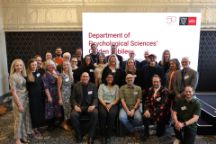
50 years of psychology at Swinburne: celebrating the people behind the science
- Education
- Science
- University
Swinburne’s Department of Psychological Sciences celebrates its 50th anniversary in 2026, reflecting on five decades of psychology education, research and professional training.
Wednesday 11 November 2026 -
Swinburne appoints Professor Simon Ridings as Vice-Chancellor and President

- University
Swinburne University of Technology is pleased to announce the appointment of Professor Simon Ridings as its Vice-Chancellor and President.
Friday 13 November 2026 -
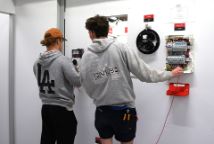
Powering renewables skills for Australia's energy transition
- Trades
- Sustainability
Swinburne has led the development of innovative training for electricians to build the skills for Australia's energy transition.Friday 06 November 2026 -
Landmark reform of Australian university leadership
- University
Australian university Chancellors and Vice-Chancellors will come together within a single national representative body.
Friday 06 November 2026


