

Swinburne moves up in Times Higher Education World University Rankings by Subject 2026

Swinburne has had another strong performance in the Times Higher Education World University Rankings by Subject 2026, with two subjects moving up the ranks
In summary
Swinburne has had another strong performance in the Times Higher Education World University Rankings by Subject 2026, with two subjects moving up the ranks
Business and Economics moved up to the top 175 in the word, joining Computer Science and Physical Sciences
Engineering ranked in the top 200 in the world, while Law, Education Studies and Psychology has ranked in the top 250 in the world
Swinburne University of Technology has performed strongly in the Times Higher Education World University Rankings by Subject 2026, with two subjects moving up the ranks.
Business and Economics moved up to join Computer Science and Physical Sciences in the top 175 in the world, while Education Studies moved up to the top 250 in the world.
Other subjects that performed well include Engineering (176-200), Law (201-250) and Psychology (201-250).
Other Swinburne subjects that were ranked included Social Sciences (251-300), Arts and Humanities (301-400) and Medical and Health (401-500).
Pro-Vice Chancellor, Flagship Initiatives, Professor Alan Duffy says this latest result is testament to Swinburne’s strengths across multiple disciplines and reflects the hard work of our teaching staff and researchers.
“Our strong performances in Business and Economics, Computer Science and Physical Sciences highlight the impact of Swinburne’s technology-led and industry-driven approach to education and research”, says Professor Duffy.
“All our subject areas now rank in the top 500 in the world. While we are more than our rank, we are also proud to be ranked among the best in the world.”
The Times Higher Education World University Rankings by Subject encompass 148 individual disciplines across 11 subject areas using a refined version of the overall World University Rankings 2026 methodology. Indicators used to rank each subject area include teaching, research environment, research quality, industry as well as international outlook.
-
Media Enquiries
Media Enquiries
Related articles
-
Swinburne spinout to cut AI’s energy demands with breakthrough chip
- Technology
A new Swinburne spinout is tackling one of AI’s biggest infrastructure challenges: moving more information through data centres while using less energy.
Friday 30 October 2026 -
50 years of psychology at Swinburne: celebrating the people behind the science

- Education
- Science
- University
Swinburne’s Department of Psychological Sciences celebrates its 50th anniversary in 2026, reflecting on five decades of psychology education, research and professional training.
Wednesday 11 November 2026 -
Swinburne appoints Professor Simon Ridings as Vice-Chancellor and President

- University
Swinburne University of Technology is pleased to announce the appointment of Professor Simon Ridings as its Vice-Chancellor and President.
Friday 13 November 2026 -
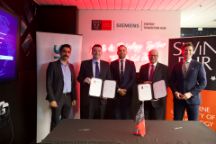
Swinburne and Siemens expand energy industry training across the Asia-Pacific
- Engineering
Swinburne University of Technology and Siemens are helping the transition to cleaner, safer and more reliable electricity across the Asia-Pacific region through a new practical, localised training initiative.
Tuesday 10 November 2026 -
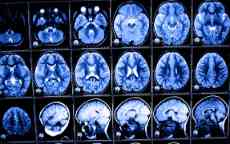
Music therapy could help protect cognitive function in people living with dementia
- Science
Swinburne research explores how music therapy could support brain function, memory and cognition in people living with dementia and help delay its onset.Tuesday 10 November 2026


