

Swinburne rises in QS World University Rankings
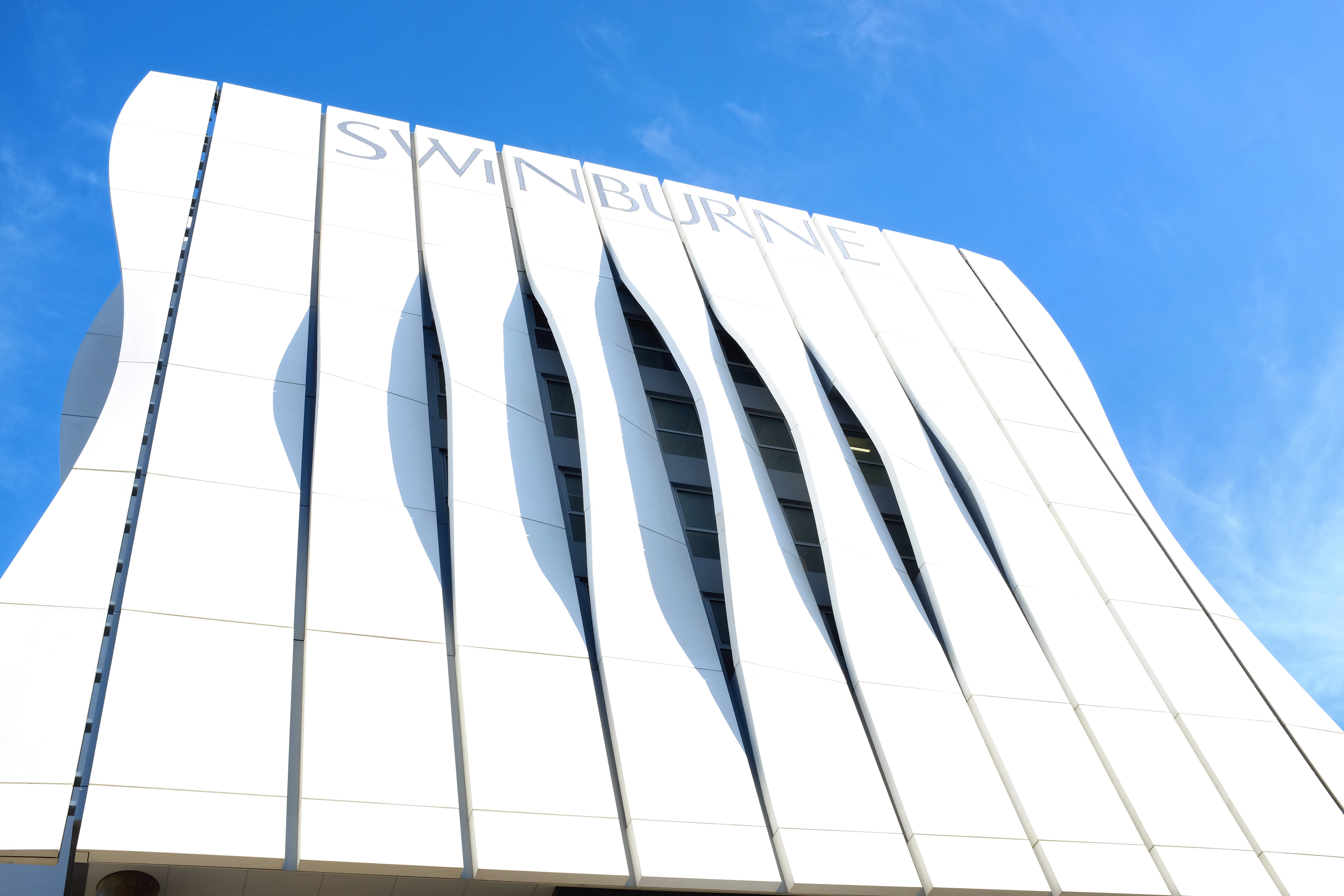
Swinburne has placed 285th in the QS World University Rankings, cementing our status as one of the world’s top 300 universities
In summary
- Swinburne has climbed 11 places to 285th in the QS World University Rankings 2024, up from 296th position the previous year
- The ranking cements Swinburne’s place as one of the world’s top 300 universities
- The QS World University Rankings is one of the world’s most viewed and respected university rankings
Swinburne University of Technology has risen 11 places to number 285 in the QS World University Rankings 2024.
The result cements Swinburne’s position in the top 300 universities globally, among over 2,900 institutions evaluated this year.
The latest success continues Swinburne’s upward trajectory in the QS Rankings, with the university climbing more than 100 places since 2019, and over 250 places since 2015.
Swinburne’s Acting Senior Deputy Vice-Chancellor, Professor Tara Magdalinski, said the ranking was an affirmation of Swinburne as a truly unique university fit for a tech-led world.
“The result recognises our best practice in research, education delivery and student recruitment and highlights Swinburne’s place on the global stage,” Professor Magdalinski said.
“Swinburne is the prototype of global best practice, we are a university that is fit for purpose in a digital future that is very different from the past.”
A key aspect of our exciting rise in this year’s QS rankings is the increased frequency with which Swinburne researchers are cited by their academic peers worldwide.
Now in its 20th edition, the QS World University Rankings is one of the world’s most viewed and respected university rankings.
This year, a total of 2,963 institutions were evaluated (with 1,503 published), from 104 locations around the world. The results encompass the distribution and performance of 17.5 million academic papers published between 2017 and 2021, as well as the 141.6 million citations received by those papers. They also take into account nominations from 2.1 million academics and 617,000 employers.
This year’s ranking assesses universities based on nine criteria: academic reputation, citations per faculty, employer reputation, faculty-student ratio, international faculty, international students, and – new in this edition – employment outcomes, international research network and sustainability.
To view the full tables of QS World University Rankings, visit the QS Top Universities website.
-
Media Enquiries
Media Enquiries
Related articles
-
50 years of psychology at Swinburne: celebrating the people behind the science

- Education
- Science
- University
Swinburne’s Department of Psychological Sciences celebrates its 50th anniversary in 2026, reflecting on five decades of psychology education, research and professional training.
Wednesday 11 November 2026 -
Swinburne appoints Professor Simon Ridings as Vice-Chancellor and President

- University
Swinburne University of Technology is pleased to announce the appointment of Professor Simon Ridings as its Vice-Chancellor and President.
Friday 13 November 2026 -
Landmark reform of Australian university leadership

- University
Australian university Chancellors and Vice-Chancellors will come together within a single national representative body.
Friday 06 November 2026 -
Bringing Indigenous students and industry together

- Social Affairs
- Business
- University
Swinburne’s inaugural Indigenous Industry and Careers Expo connected Aboriginal and Torres Strait Islander students with industry to explore career pathways and build professional connections.
Friday 06 November 2026 -
French climate technology startups explore Australian opportunities through Swinburne accelerator

- Sustainability
- University
Six French startups have completed the inaugural Climate 4.0 Hub Flagship Accelerator, exploring new research, commercialisation and investment opportunities in Australia.Thursday 12 November 2026


