

Swinburne PrimeSCI! and Cardinia Shire Council offer a range of F-Yr10 excursion programs, based around the themes of environment and sustainability, delivered from the Deep Creek Reserve Centre, Pakenham.
The Deep Creek Reserve Centre provides students with the opportunity to learn about science, environment and sustainability, by utilising the surrounding wetlands and indoor facilities.
PrimeSCI! School Excursion Fees
To support accessibility, subsidised excursion fees are available to eligible priority schools. Please contact PrimeSCI! for more information.
The maximum excursion capacity is 60 students, with the cohort split into two groups (max. 30) and taught in parallel. Each topic runs for 90 minutes, including one hour of hands-on workshop activities and 30 minutes of guided wetland tour.
- One Class (max. 30 students), (One topic): $460 + GST
- One Class (max. 30 students), (Two topics): $660 + GST
- Two classes (max. 60 students), (One or two topics): $740 + GST
- Two Classes (max. 60 students), (Two topics): $1140 + GST
To support accessibility, subsidised excursion fees are available to eligible priority schools. Please contact PrimeSCI! for more information.
-
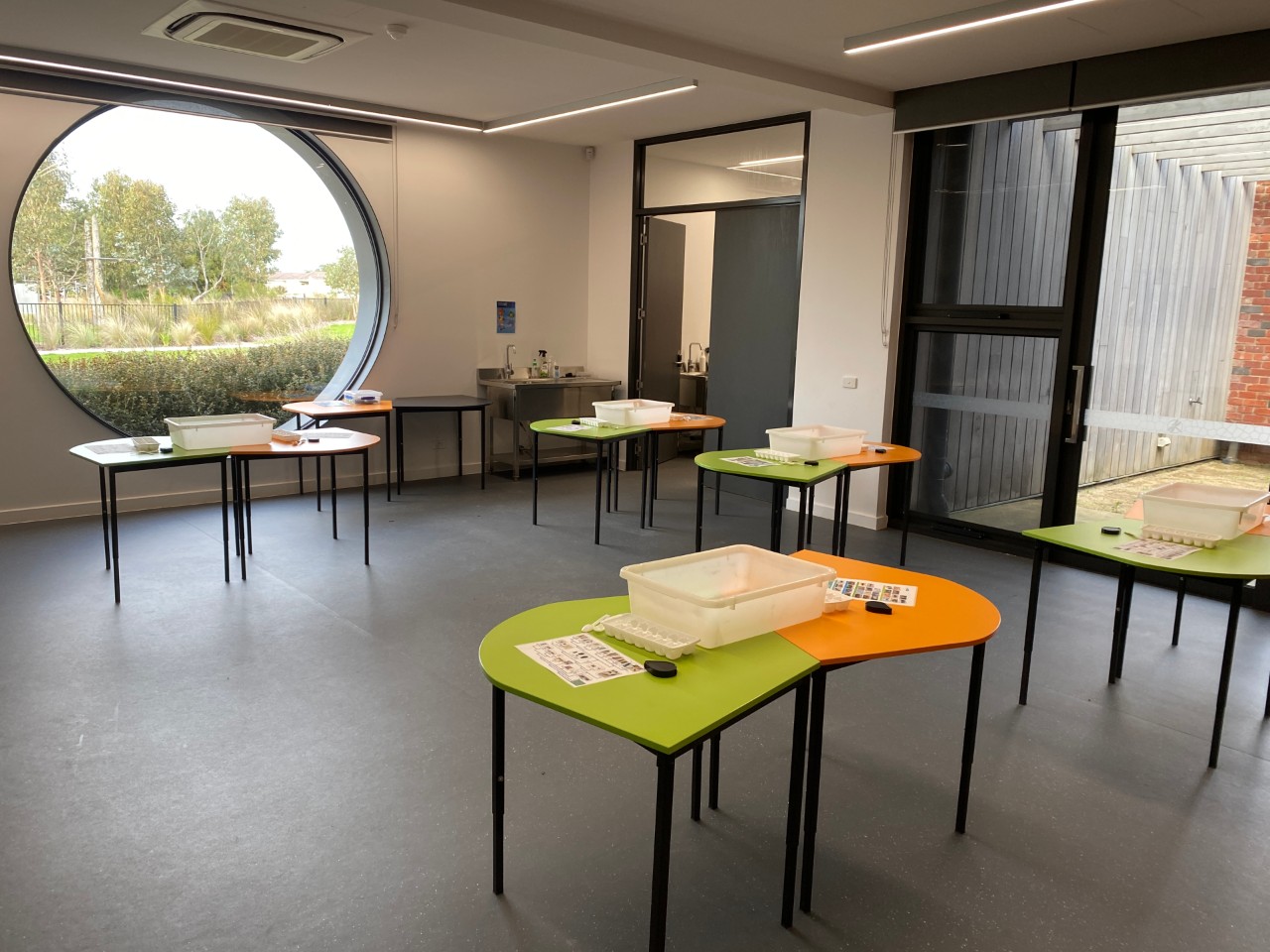 The indoor classroom for hands on activities
 -
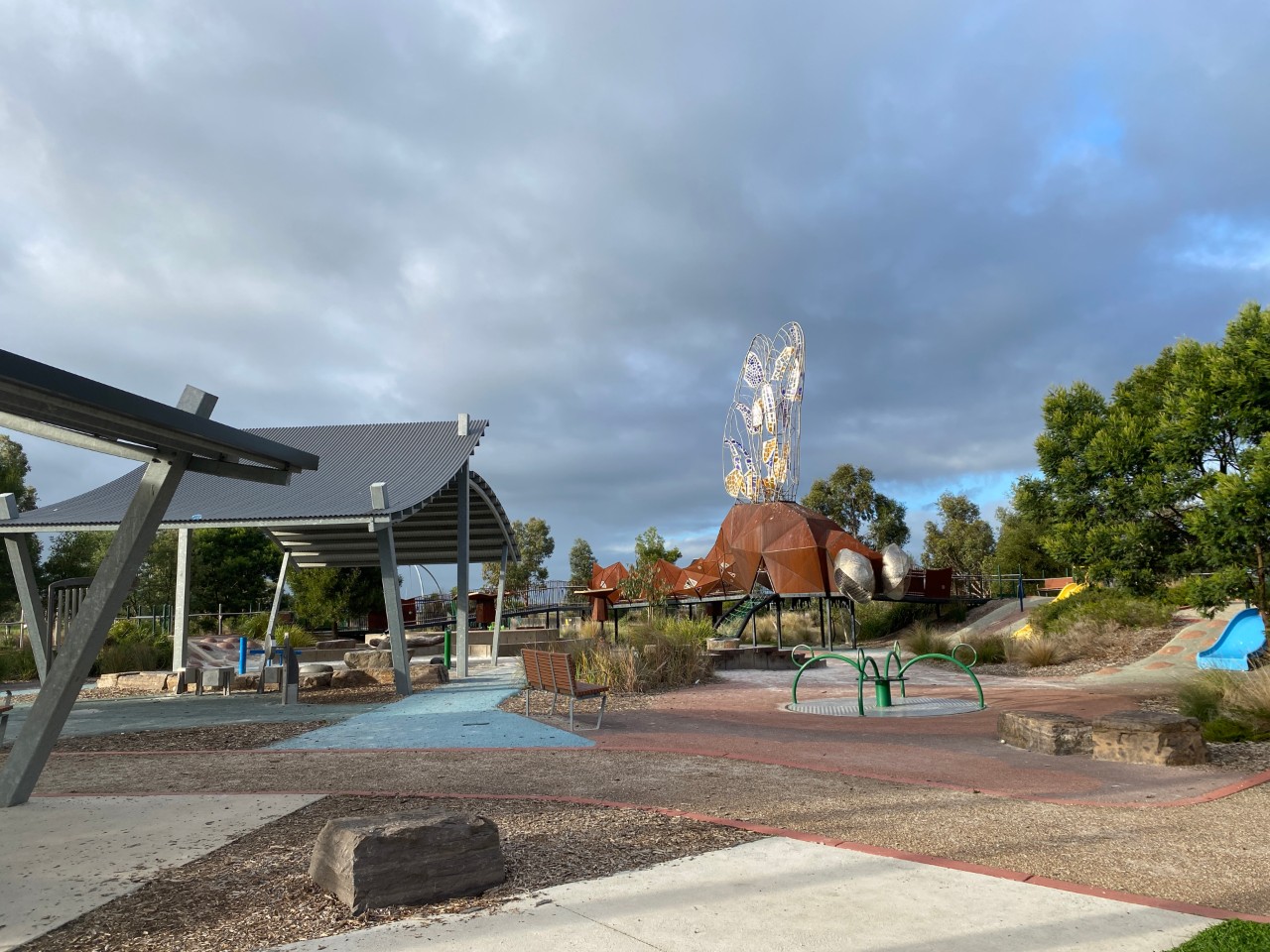 The fenced Deep Creek Reserve Playground
 -
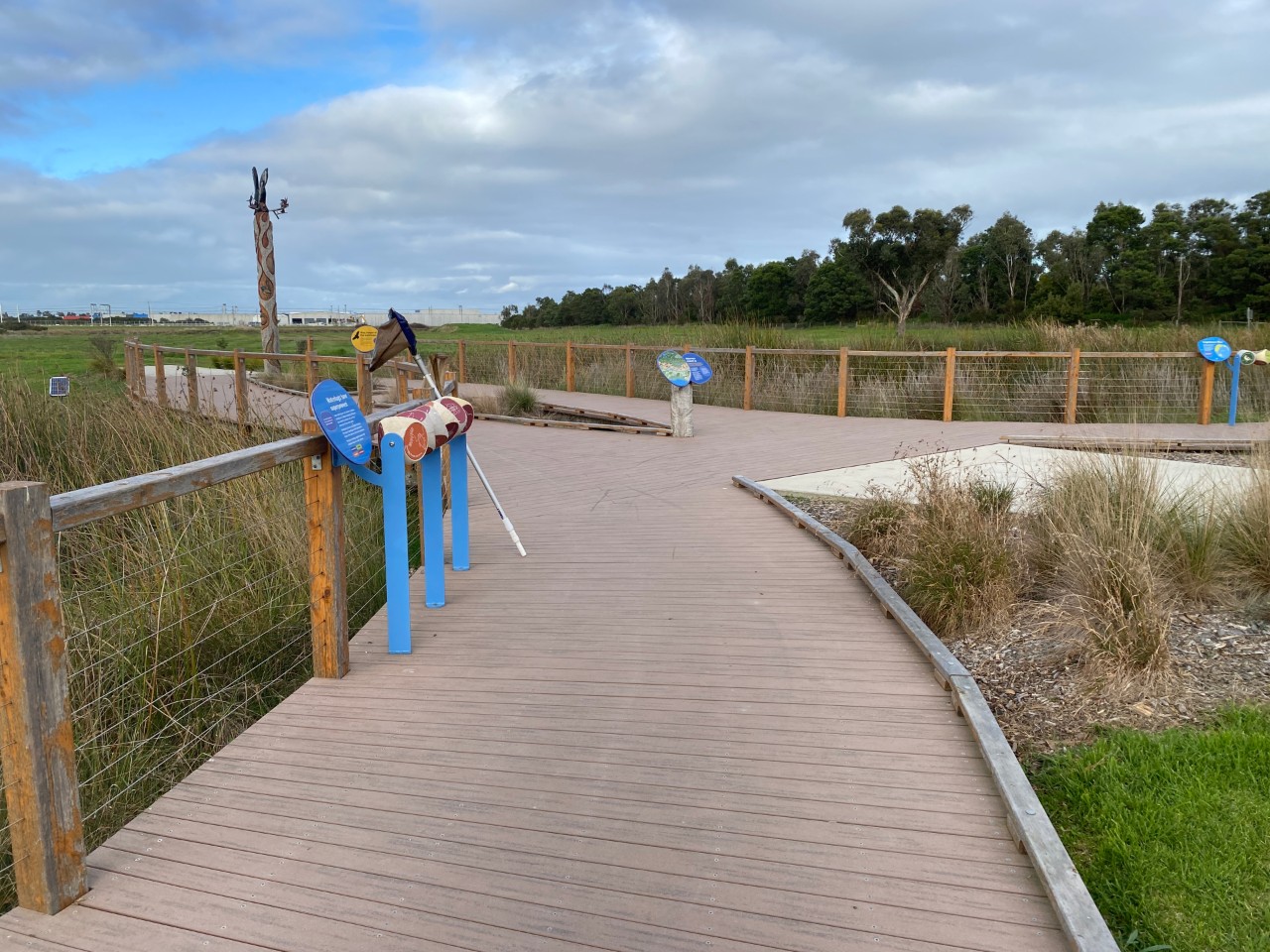 Environmental lessons include studying water samples collected from the surrounding wetlands
 -
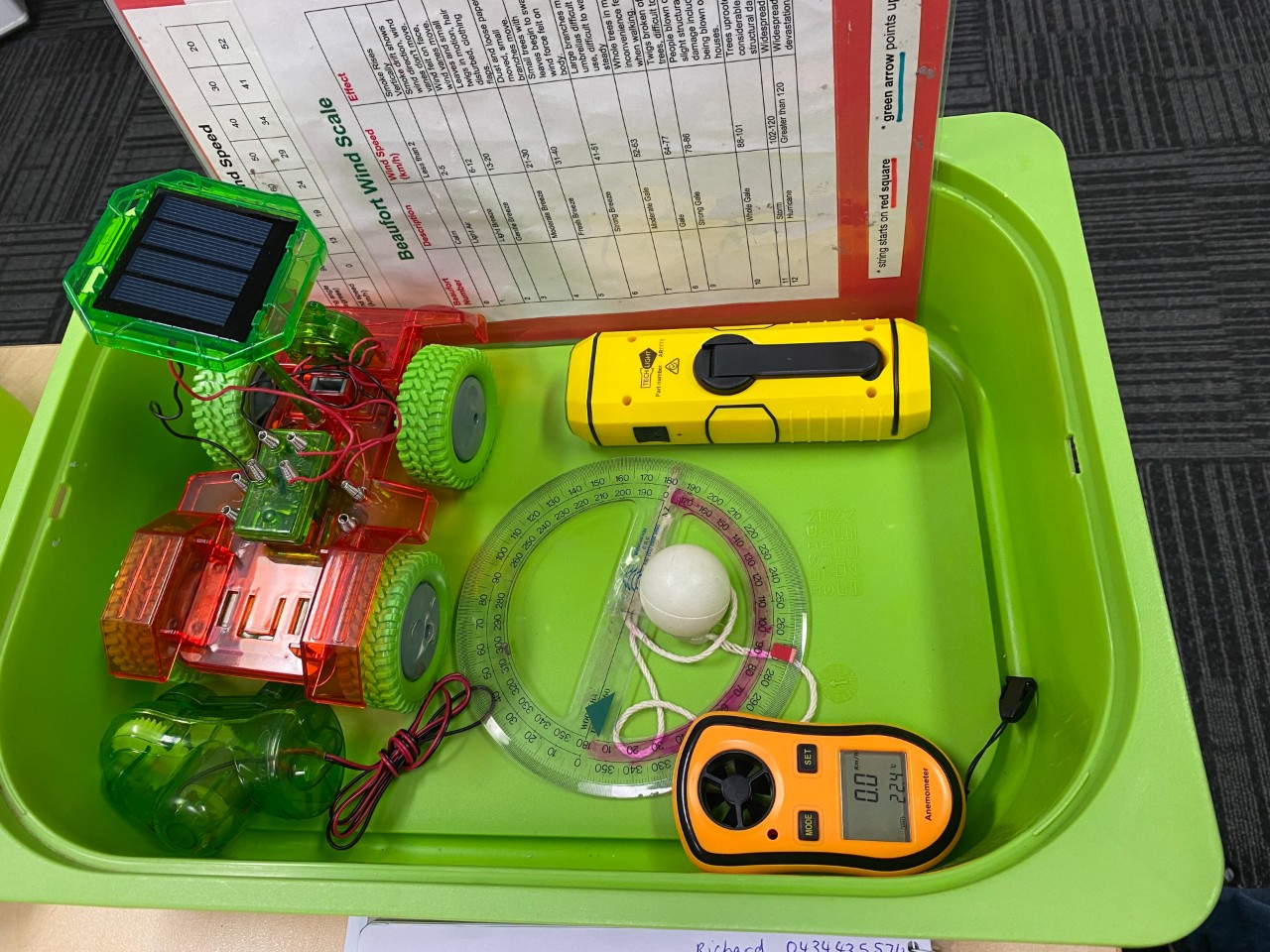 Hands-on activities from the Climate Change lesson, funded by the Cardinia Shire Council


Deep Creek Reserve Centre
Cameron Way, Pakenham VIC 3810
Sample Excursion Timetables
Two classes, one topic:
9:45am - arrival, snack & toilet break
10:00am – 11:30am (Two rotations):
- 10:00am - 10:45am Waterbug investigation (indoor)
- 10:45am - 11:30am Wetland Walk + outdoor activity
11:30 onwards - school uses playground, wetlands and outdoor toilets for as long as required before departure.
Two classes, two topics:
9:45am - arrival, snack & toilet break
10:00am - 11:30am (Two rotations):
- 10:00am - 10:45am Waterbug investigation (indoor)
- 10:45am - 11:30am Wetland Walk + outdoor activity
11:30am - 12:15pm break (students eat, use playground and toilets)
12:15pm - 1:45pm (Two rotations):
- 12:15pm - 1:00pm Seed activities
- 1:00pm - 1:45pm Plant parts (indoor/outdoor combination)
1:45pm onwards - school uses playground, wetlands and outdoor toilets for as long as required before departure.
Excursion topics available
Foundation to Year 2 excursions
Mammal or bird? Fish or reptile? Have a closer look using magnifying glasses and microscopes. Touch, hold and examine our collection of unique animal artefacts to find out more about how biologists sort animals into groups.
Achievement standards Science 2.0:
- group animals based on observable features
- explain how the features of animals enable their survival
VC2S2U01, VC2S2U03.
Explore what defines a living thing and identify different freshwater invertebrates in a local wetland water sample. Discuss the needs of animals that live in these habitats as you learn about factors that affect life in our local waterways. Best taught in Term 1 and 4 for greatest waterbug variety.
Achievement standards Science 2.0:
- group animals based on observable features
- identify how living things meet their needs in the places they live
VC2S2U01, VC2S2U02.
Dissect seeds, identify parts of plants and investigate germination to explore the secret world of plants. Plant your own bean seed to keep at school or take home.
Achievement standards Science 2.0:
- group plants based on observable features
- explain how the features of plants enable their survival
VC2S2U01, VC2S2U03.
Year 3 – 4 excursions
Identify different life stages of freshwater invertebrates and explore food chains in a local wetland water sample. Best taught in Term 1 and 4 for greatest waterbug variety.
Achievement standards Science 2.0:
- compare the life cycles of different animals
- describe similarities and differences between parents and offspring at different stages of growth
- identify the roles of organisms in a habitat and construct food chains
VC2S4U02, VCS4U03.
Understand the role of carbon dioxide gas in climate change. Measure temperature, humidity and carbon dioxide levels and investigate the role of plants in taking action on climate change.
Achievement standards Science 2.0:
- distinguish between weather and climate
- explain how human activity can impact climate and how these impacts may be reduced
VC2S4U08.
Dissect seeds, identify parts of plants and investigate germination to explore the secret world of plants. Plant your own bean seed to keep at school or take home.
Achievement standards Science 2.0:
- compare the life cycles of different plants
- describe similarities and differences between parents and offspring at different stages of growth
VC2S4U02, VC2S4U03.
Make links between the chemistry of different forms of water and its pathway through the water cycle. Recognise the importance of human impact on water catchments. Take home your own mini water cycle model.
Achievement standards Science 2.0:
- list sources of water on Earth
- identify key processes in the water cycle
- describe how water can cycle through the environment
VC2S4U07.
Year 5 – 6 excursions
Investigate different wetland water samples to identify freshwater invertebrates. Discuss the needs of animals that live in these habitats and consider human impacts on life in our waterways. Best taught in Term 1 and 4 for greatest waterbug variety.
Achievement standards Science 2.0:
- explain how natural and human-induced changes in the physical conditions of a habitat affect the survival of organisms
VC2S6U01.
Understand the role of carbon dioxide gas in climate change. Measure temperature, humidity and carbon dioxide levels and investigate the role of plants in taking action on climate change.
Achievement standards Science 2.0:
- explain how natural and human-induced changes in the physical conditions of a habitat affect the survival of organisms
VC2S6U01.
Learn about different types of rocks and the processes that move them around the surface of the Earth. Examine specimens from our mineral collection and model weathering and erosion by wind and water. Links are made to the Deep Creek reserve related to flooding and water movement in the wetlands and the broader link to increase in flooding due to climate change.
Achievement standards Science 2.0:
- model key processes that change Earth’s surface
VC2S6U05.
Year 7 - 10 excursions
What is a catchment and how have catchments changed over time? How do we impact our waterways? How can we use water more sustainably and improve the health of the waterways?
Water is a scarce and finite resource that is vital for the life of every living thing on the planet. Our local waterways are part of a larger catchment that our drinking water comes from. Human activities have an impact on our local waterways and in turn the larger catchment, oceans and all the life that depends on it for survival. Students will learn about our impacts and ways to help. They will also become citizen scientists by learning how to monitor the chemical, physical and biological health of their local waterway.
This program runs from 10am – 2pm, including a lunch break (but can be modified to suit your needs).
Achievement standards Science 2.0 (Year 7/8):
Students explain how biological diversity is ordered and organised
They represent flows of matter and energy in ecosystems
Students develop hypotheses and make reasoned predictions to identify patterns, test relationships and analyse and evaluate scientific models when investigating phenomena at various scales.
They select and use appropriate presentation formats, scientific vocabulary, models and other representations when communicating their ideas, findings and arguments for specific purposes to specific audiences.
VC2S8U01, VC2S8U04, VC2S8I02, VC2S8I08
Achievement standards Geography 2.0 (Yr 7/8)
They explain the sustainable management of water as a valuable renewable resource.
They explain how these interconnections change places or environments.
VC2HG8K01, VC2HG8K02, VC2HG8K03, VC2HG8K04, VC2HG8K05, VC2HG8K17
Subscribe to keep up-to-date with the latest PrimeSCI! news
Find out about our incursions, professional development and grant opportunities.
Note: These forms collect data using a third-party provider (Airtable) and you consent to this by completing the form. The data we collect is treated in accordance with Swinburne's Privacy Statement. Please be aware that the form may take a few seconds to load. If you have any queries or concerns, please contact the PrimeSCI! Office (Ph: 03 9210 1969).
Find out about school holiday science activities and weekend events.
Note: These forms collect data using a third-party provider (Airtable) and you consent to this by completing the form. The data we collect is treated in accordance with Swinburne's Privacy Statement. Please be aware that the form may take a few seconds to load. If you have any queries or concerns, please contact the PrimeSCI! Office (Ph: 03 9210 1969).
Explore more school programs
Learn more about the school workshops, events and programs we offer.